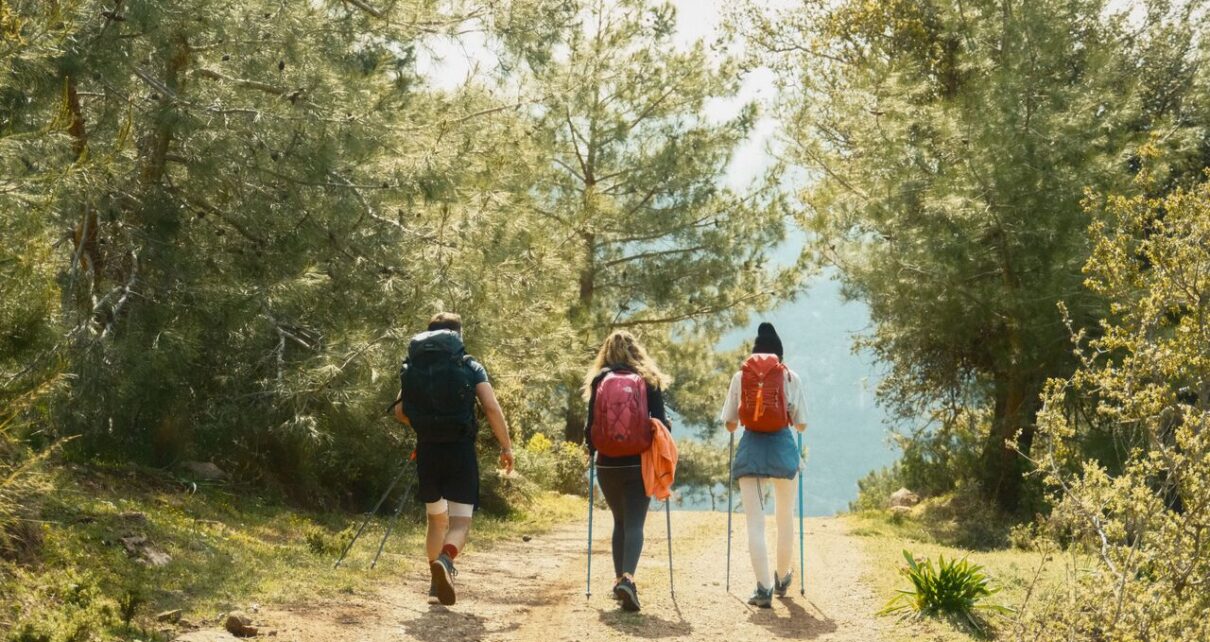
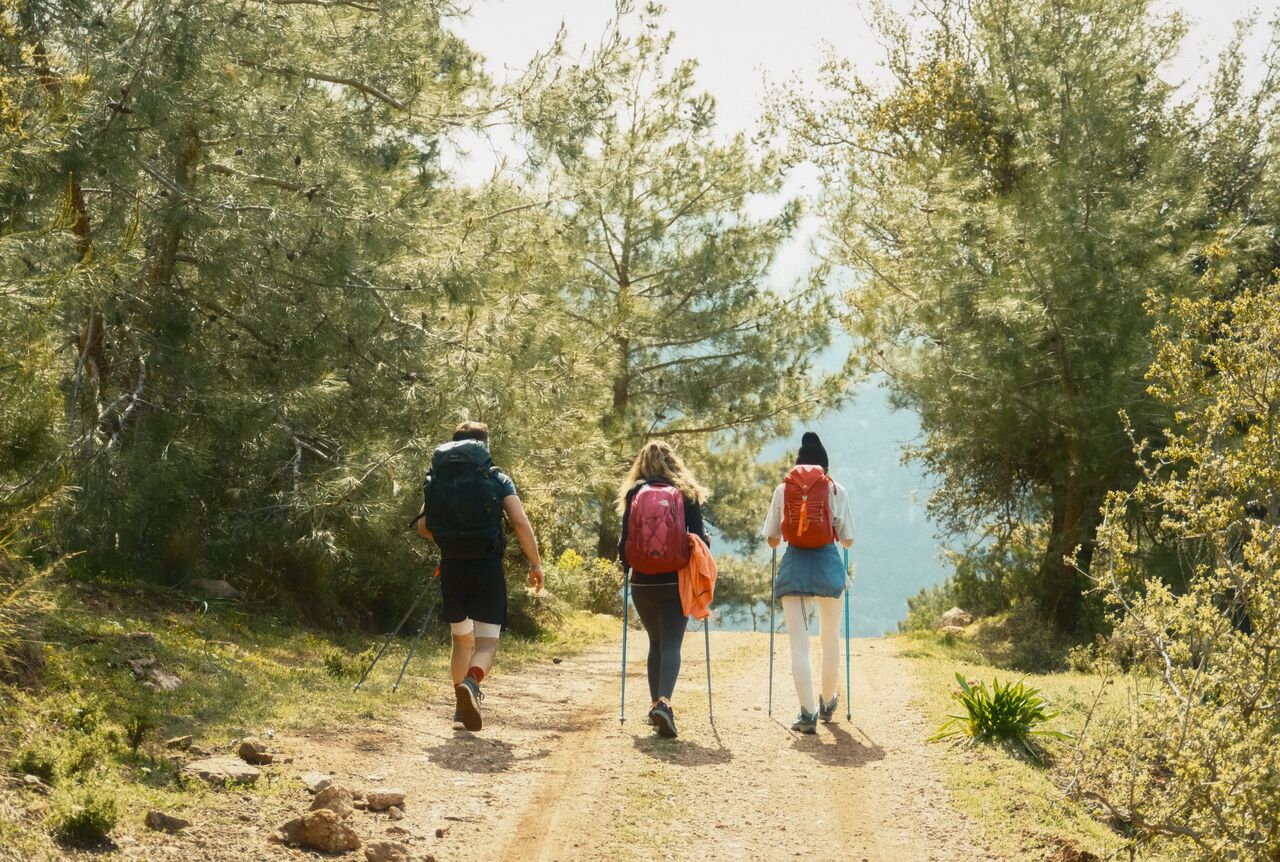
If you are into hiking, then there is a good chance you have come across the Camino de Santiago. When it comes to hiking, a lot of people look for long-distance hiking routes, as this is a physical challenge and it is very rewarding when you complete it, and this is where the Camino de Santiago often comes in.
The Camino de Santiago is one of the most famous long-distance hiking experiences in the world, attracting hundreds of thousands of walkers each year. Stretching across some of Spain’s most beautiful landscapes, the Camino offers a unique combination of outdoor adventure, cultural discovery and personal accomplishment – take this Camino de Santiago from Sarria, for example; you get to hike around 111km, over 7 days! Unlike many long-distance trails, it is also incredibly accessible, with clearly marked routes, excellent infrastructure and a variety of route options suitable for different fitness levels and timeframes
Whether you are an experienced hiker looking for your next challenge or someone considering their first multi-day walking holiday, the Camino de Santiago provides an unforgettable experience. Below, we explore why it is considered one of the best long-distance hiking routes in Europe and what makes it so appealing to walkers from around the world.
A route for every type of hiker
What’s really nice about the Camino de Santiago is that it’s very flexible. Unlike many long-distance trails that require weeks of commitment, the Camino offers routes of varying lengths and difficulty levels. Depending on which one you choose (Camino Francés, Camino Portugués, or The Portuguese Coastal Camino, as examples), you can complete it over 5 days or longer. This is ideal for people who can only take a week off to enjoy the experience. This also means as a hiker, you have a lot of flexibility to choose a route which matches your ability – whether you are experienced or a beginner.
Excellent waymarking and easy navigation
One concern many people have when considering a long-distance hike is navigation. Fortunately, the Camino de Santiago is one of the easiest hiking routes in Europe to follow. The trails are clearly marked with the famous yellow arrows and scallop shell symbols, guiding walkers towards Santiago de Compostela.
Because of this excellent waymarking, hikers can spend less time worrying about maps and navigation and more time enjoying the scenery around them. This accessibility is one of the reasons the Camino is often recommended to people attempting their first long-distance walking adventure. If you book with Santiago Ways, you’ll also receive a detailed itinerary containing route information, maps, stage profiles and points of interest along the way. This additional guidance helps pilgrims feel even more confident throughout their journey.
Outstanding infrastructure along the route
Another major advantage of the Camino de Santiago is its well-developed infrastructure. Throughout the various routes, walkers will find a wide range of accommodation options, cafés, restaurants and local services designed to support pilgrims and hikers. This helps make the whole experience more enjoyable. For an even smoother experience, Santiago Ways can arrange accommodation in advance and organise luggage transfers between stages. This allows pilgrims to walk with only a light daypack while enjoying the peace of mind that comes with knowing their accommodation and luggage logistics have already been taken care of.
What Camino de Santiago do you think you will be doing? Do you consider yourself an experienced hiker, or are you a beginner? Let us know in the comment box below.